by Vicky & Markus
Our Story
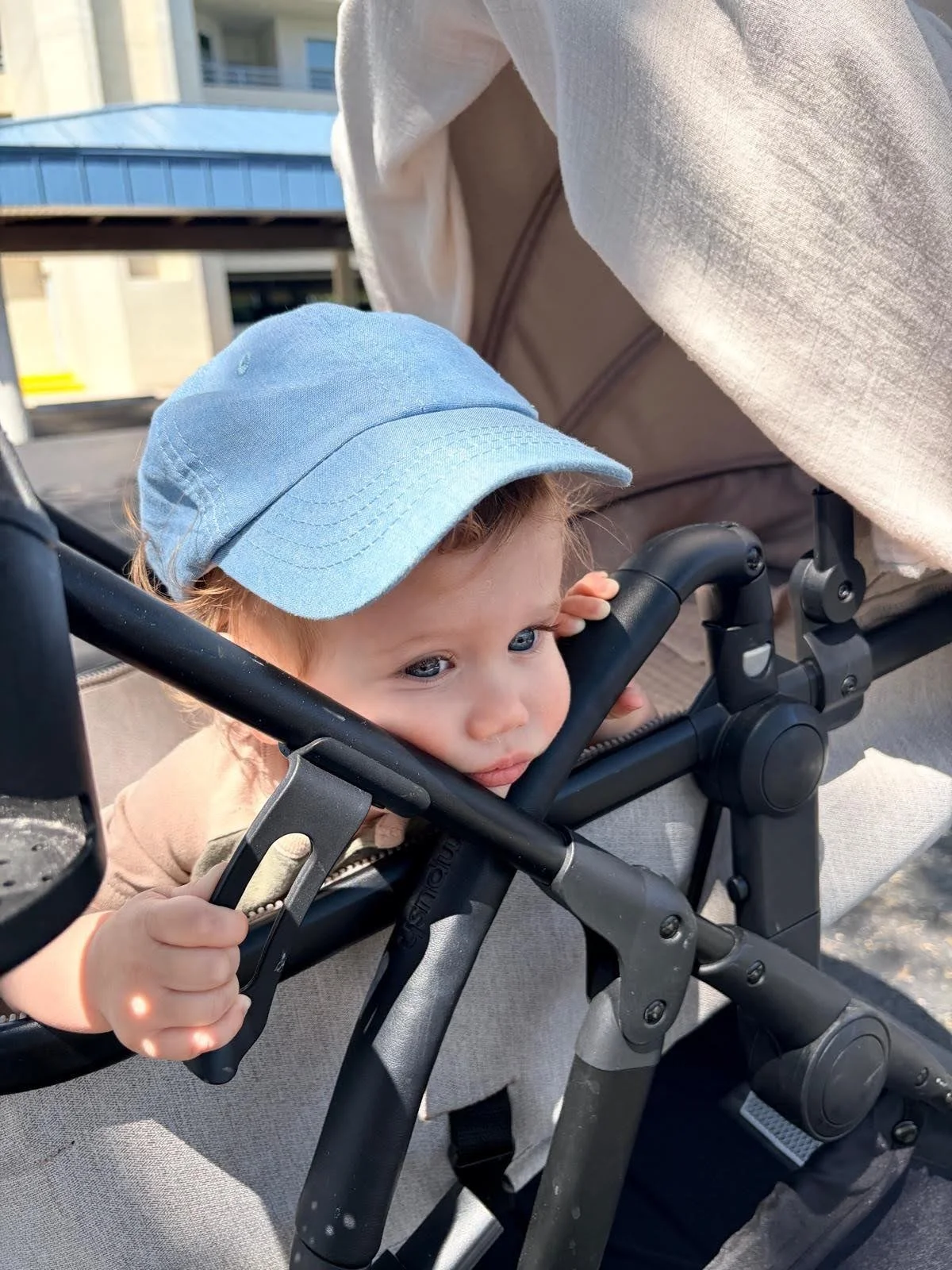
Our son was born in February 2025 after a healthy pregnancy and an uncomplicated birth. We took him home, learned his rhythms, and made the ordinary plans parents make. We had no reason to imagine how quickly our lives would narrow to ounces of formula, wet diapers, blood tests, and the question no one seemed able to answer: Why isn’t he growing?
By five months, his weight gain had slowed enough to worry us. We went from one pediatrician to another—three in all—and saw specialists. We described what we were seeing and followed the advice we were given. First, it was thought to be reflux. Then we were told he needed more calories, including fortified formula that also increased his sodium intake. At one point, a GI specialist suggested we return to my home country because “it takes a village to raise a child.”
We needed someone to take a hard look at our son and piece together what made no sense to us. Instead, we were left trying to make sense of explanations that did not fit him.
He became increasingly thirsty. His diapers were wet far more often than we expected. He vomited, seemed tired, and began to fall behind in his motor development. We kept bringing these concerns to appointments. Months passed.
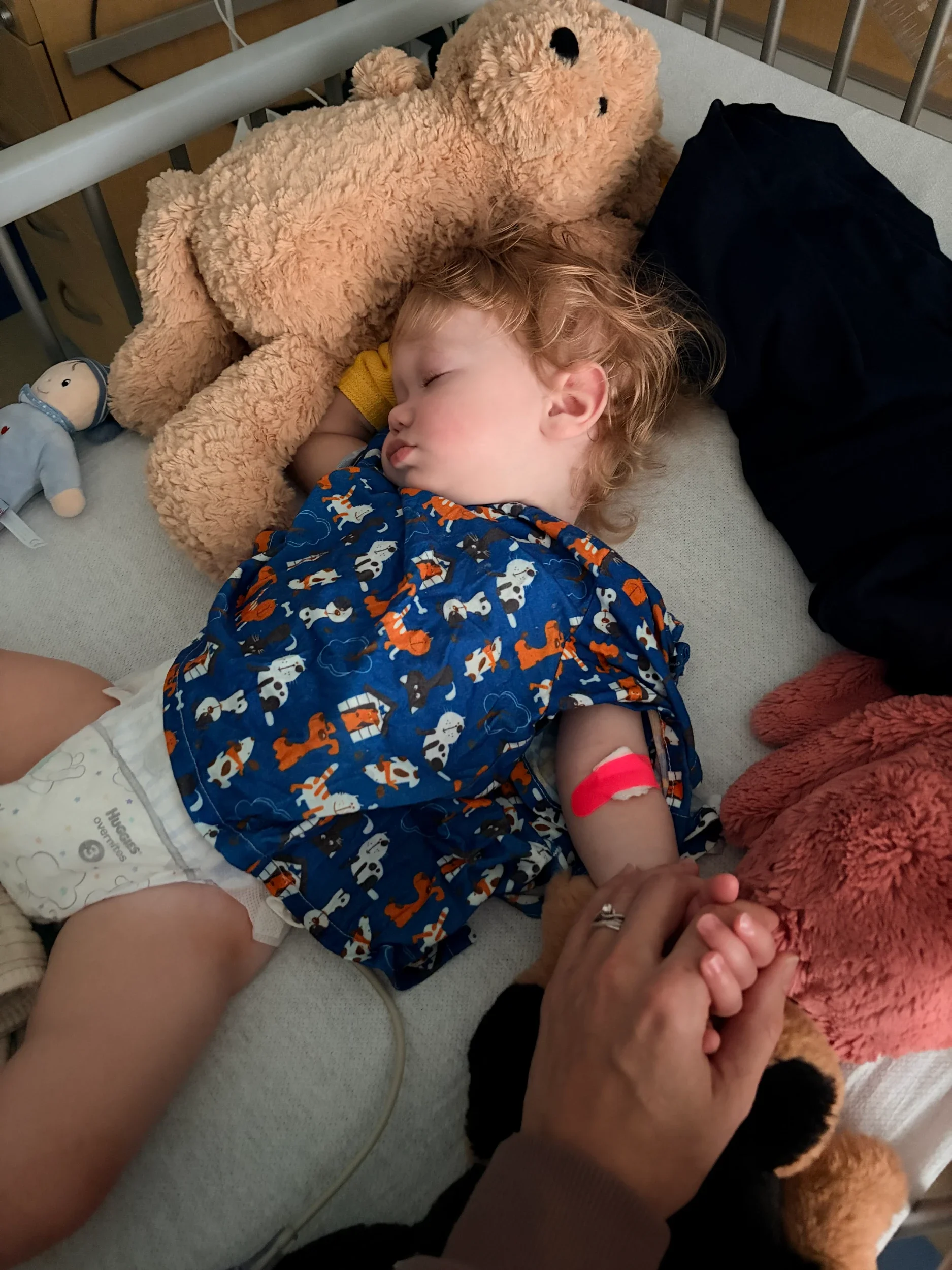
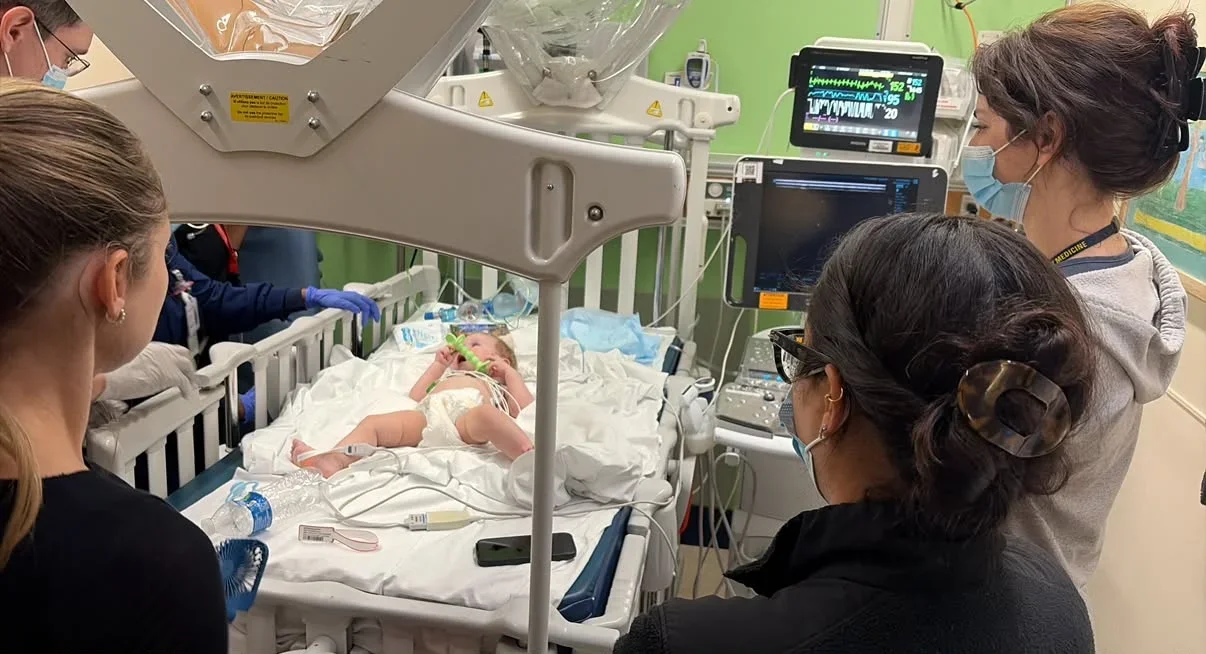
Eventually, a blood test showed that his sodium level was dangerously high. He spent two weeks in the pediatric intensive care unit. Even there, his sodium continued to rise, and the medical team struggled to bring it down. We feared we might lose him. We feared, too, what such a severe illness might do to his developing body. Those were long days and nights. There was no stepping away from them: he was our child, and we still did not know what was wrong.
So we kept reading. We searched for something that could account for the thirst, the diapers, the poor growth, the sodium. We found congenital nephrogenic diabetes insipidus, now also known as arginine vasopressin resistance, or AVP-R. For the first time, the pieces belonged to the same picture. Before his first birthday, doctors confirmed the diagnosis we had begun to suspect.
A diagnosis gave us a way forward. It also changed how we understood the months behind us. We still think about the appointments, the reassurance, the advice to add more to his formula. We wonder what an earlier sodium test—or a clinician familiar with the signs of AVP-R—might have changed. We cannot answer that. We can only tell the truth about how hard we looked for help, and how frightened we were by the time we found an answer.
And the diagnosis was not the end of the frightening part. We have lost count of the hospital visits, from Florida to New York to Belgium. At times, he needed blood draws every few hours, then every day, then several times a week. We have watched his numbers, worked with his doctors through changes in medication, and tried to find a balance that will hold. A fever, vomiting, or an unexpected shift can still send us back to the emergency room. Some days are wonderfully ordinary. We have learned how quickly an ordinary day can change.
Our son’s care is part of daily life now: fluids, food, medication, appointments, and the constant work of paying attention. There is joy in watching him grow. There is also pain in knowing what he went through before anyone understood why.
We started AVP-R Connect for families still searching for an answer, and for those living with a diagnosis. We want parents to have trustworthy information and other families to turn to. We want more clinicians to recognize the signs. And we want to support research that could make life better for people with AVP-R.
We cannot give our son those months back. We can speak plainly about them and help someone else find answers sooner.
Beyond Thirst. Toward Answers.