What Is AVP-R?
A hormone tells the kidneys to hold onto water. In AVP-R, the kidneys can't “hear” it.
Our bodies carefully control water balance with a hormone called arginine vasopressin (AVP). When the body needs to conserve water, AVP signals the kidneys to reabsorb water and produce more concentrated urine.
In arginine vasopressin resistance (AVP-R), the hormone is present, but the kidneys do not respond to its signal properly. As a result, the kidneys cannot concentrate urine normally, and the body loses large amounts of water as very dilute urine.
A person with AVP-R therefore needs continuous access to enough fluid to replace those losses. If fluid losses are not adequately replaced, dehydration and dangerously high blood sodium levels (hypernatremia) can develop.
AVP-R was formerly known as nephrogenic diabetes insipidus (NDI). The older term is still important because it appears throughout much of the medical literature.
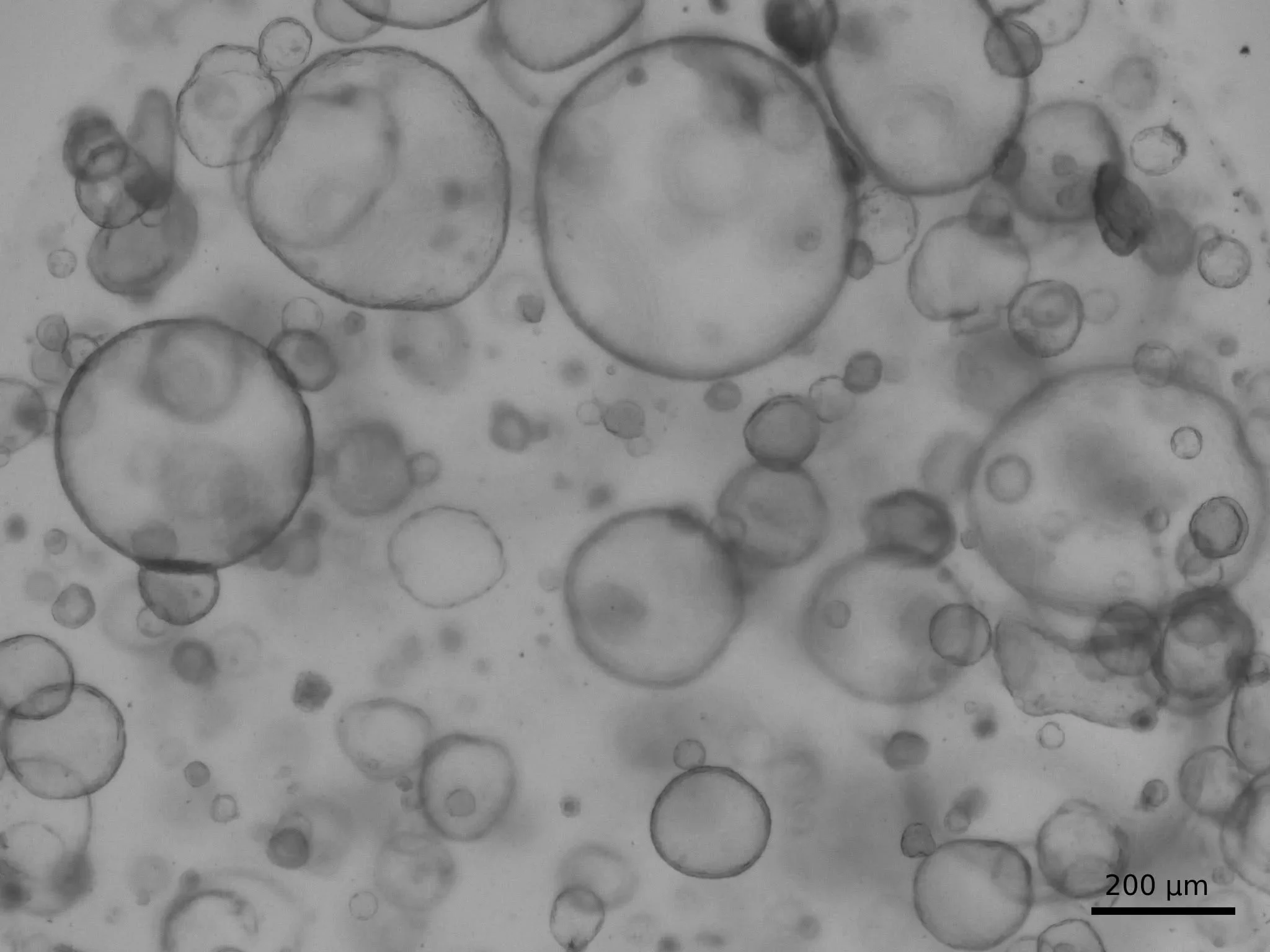
Courtesy of Giulia Floria / UZ Leuven
Why are babies especially vulnerable?
Infants are particularly vulnerable because they cannot reliably communicate that they are thirsty or independently get enough fluid to replace what they are losing. Feeding difficulties and vomiting can make the problem even harder to manage.
The condition may be present from birth, but symptoms can become more apparent as feeding changes. Human milk has a relatively low renal solute load, while formula and the introduction of solid foods can increase the amount of solute the kidneys must excrete, increasing urine losses.
Without adequate treatment and fluid replacement, severe or recurrent dehydration and hypernatremia can lead to serious complications, including neurological complications. Early recognition and treatment are therefore extremely important.
Could it be AVP-R?
Look for the pattern, not one symptom.
AVP-R can be difficult to recognize in infants because many of its symptoms can look like common childhood problems.
Unusual thirst, unusually large amounts of urine or very frequent/heavy wet diapers, poor weight gain, vomiting, constipation, recurrent unexplained fever, or signs of dehydration deserve medical attention—especially when several occur together.
If AVP-R is suspected, a child's clinician may evaluate blood and urine, including serum sodium, serum osmolality, and urine osmolality. When congenital AVP-R is suspected, genetic testing can help identify the underlying cause, and current international expert guidance recommends early genetic testing in symptomatic patients.
A child who appears significantly dehydrated, unusually sleepy, very irritable, confused, or otherwise seriously unwell needs prompt medical evaluation.
Water in, water out
Watch for unusual thirst and unusually high urine output.
Seems unusually thirsty or persistently seeks fluids
Becomes distressed when fluids are delayed
Produces unusually large amounts of urine or soaks diapers very frequently
Older children may have very large-volume urination, nighttime urination, or bedwetting
Feeding and growth
Feeding problems can sometimes be an early clue.
Feeds eagerly but vomits during or shortly after feeding
Feeding difficulties or poor appetite
Poor weight gain or growth
Constipation
These symptoms are not specific to AVP-R on their own. What matters is the pattern, particularly when feeding or growth problems occur together with excessive urination, thirst, dehydration, or hypernatremia.
Dehydration
This is where AVP-R can become dangerous.
Possible signs in an infant or young child include:
Dry skin or reduced skin elasticity
Sunken eyes
A sunken soft spot (fontanelle)
Irritability
Unexplained or recurrent fever
Fatigue or unusual sleepiness
In severe cases, neurological symptoms such as seizures
Severe dehydration and hypernatremia require urgent medical attention.
The most important message
AVP-R is rare—but recognizing the pattern can make a difference.
A baby who is not gaining weight, is producing unusually large amounts of urine, seems persistently thirsty, vomits frequently, or develops unexplained hypernatremia may need evaluation for a disorder of water balance, including AVP-R.
When the pieces don't fit, keep asking why.
Early recognition can help prevent severe dehydration, hypernatremia, and potentially preventable complications.
If this pattern is present, families can ask a clinician whether blood sodium and paired blood and urine concentration testing are appropriate. If the findings raise concern for congenital AVP-R (NDI), genetic testing may help identify an AVPR2 or AQP2 variant.
These tests must be selected and interpreted by qualified medical professionals. Blood sodium alone cannot diagnose or exclude AVP-R.