Always thirsty.
Too often wet.
Not growing.
Some children’s kidneys cannot properly conserve water. Arginine Vasopressin Resistance, or AVP-R (formerly called Nephrogenic Diabetes Insipidus, or NDI) is a rare condition that can be difficult to recognize. AVP-R Connect helps families find current information, hear from others and follow research toward better treatments.
AVP-R, arginine vasopressin resistance, was known until 2022 as nephrogenic diabetes insipidus (NDI).
-
4.2 months
Median age at diagnosis in a multicenter study of children with congenital AVP-R.
-
89%
Of genetically tested children in that study had an AVPR2 variant; 11% had AQP2.
-
~1 in 5
A foundational study identified de novo mutation events in eight of 37 families with X-linked NDI.
-
No cure
Current care helps manage the condition, while potential new treatments remain investigational.
Three ways to begin
-
Hear From Families
Read firsthand experiences from people and families living with AVP-R.
-
See the Latest Research
Follow reviewed research developments, clinical trials and emerging approaches.
-
Support Research
Help build responsible funding for rigorous AVP-R research.
Nephrogenic diabetes insipidus NDI
became Arginine Vasopressin Resistance AVP-R
in 2022. Here's why it matters.
For over 200 years the condition was called diabetes insipidus. It has nothing to do with blood sugar, but sharing a word with diabetes mellitus led to dangerous mix-ups in hospitals.
An international working group proposed names that describe what's actually happening: AVP deficiency when the brain doesn't make enough of the hormone, and AVP resistance when the kidneys don't respond to it. Adoption is gradual, so you'll still meet "NDI" in clinics and older research — we use both.
What’s New in AVP-R Research?
FAMILY STORY
Medical information explains the condition.
Families explain what living with it can feel like.
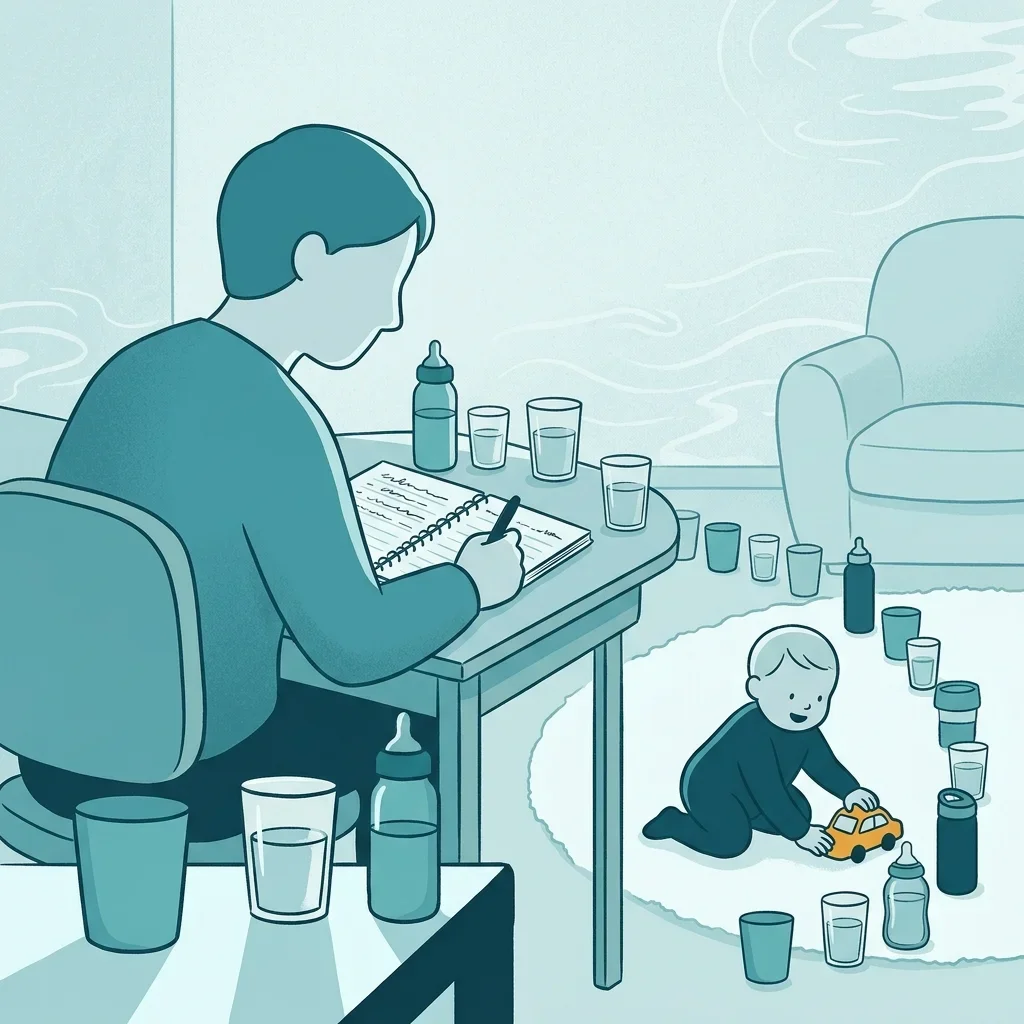
Leo's Journey — an illustrative story
When Maya and Daniel’s son, Leo, was a baby, they felt as though they were always making another bottle and changing another diaper. At first, they assumed it was a phase. Then Leo’s weight gain slowed. They tried feeding advice, tracked what he drank, and kept asking why he seemed so thirsty.
After blood and urine tests, they learned that Leo’s body was losing water faster than it should. Further testing gave the family a name for what was happening: AVP-R, also known as NDI.
A diagnosis did not make the appointments, planning, or worry disappear. It did give them a clearer way to care for Leo and explain his needs to others. They also wanted to find parents who would understand why an ordinary day could require so much preparation.
Our story
Our son’s journey showed us how difficult it can be to recognize a rare condition, locate reliable information and understand what research may offer. We created AVP-R Connect so families searching for answers can find current information, meaningful family perspectives and a clearer path forward.
Board Members
-
Victoria Gottschlich
Founder, Director and PresidentDescription goes here
-
Grace Rosemary Toledo
Vice Chair
-
David Ross Manson
Treasurer
-
Vlada Khalafova
Secretary
-
Katheryn Gonzalez